The first question most building owners ask is how much an elevator will cost to install. The honest answer is that there is no single figure that fits every building. The price comes from a set of choices and site conditions, and once you understand them you can compare quotations properly and avoid surprise items halfway through the job.
Building type and number of floors
A three-stop villa lift is a very different job from a ten-storey residential block or a busy commercial building. The number of stops, the travel height and how often the lift is used each day all shape the machine, ropes and controller that are needed, and therefore the cost.
The shaft and the machine room
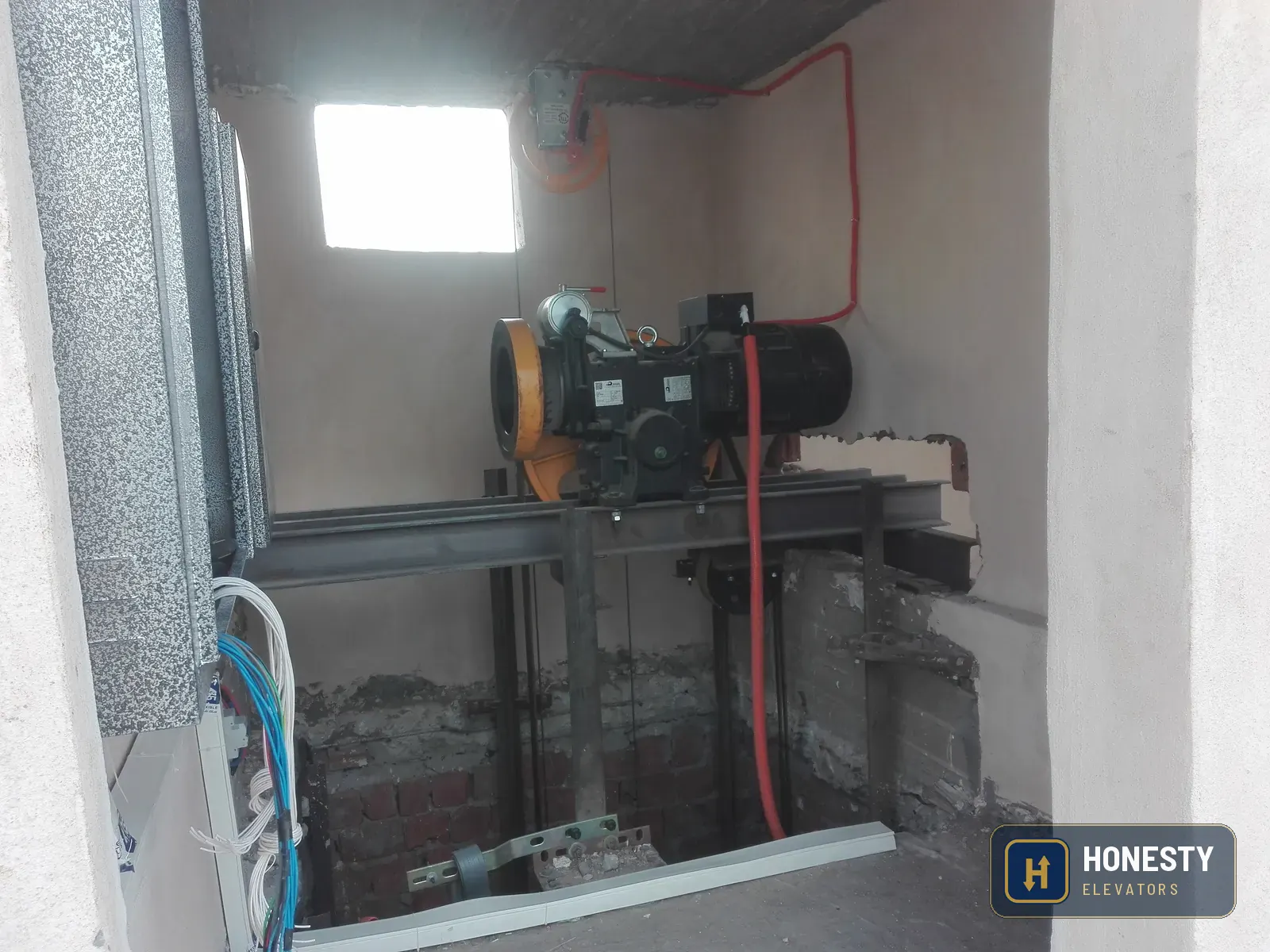
Is there already a shaft, and are its dimensions suitable, or does it need to be built or altered? Whether there is space for a machine room above the shaft also decides which type of system makes sense. Shaft and pit work is usually separate building work, so ask clearly whether it is part of the quotation or the responsibility of the owner or main contractor.
Capacity and cabin size
Rated load and passenger capacity depend on the shaft size and how the building is used. Buildings with elderly residents, wheelchair users or regular furniture moves need a larger cabin and wider doors.
Doors and finishes
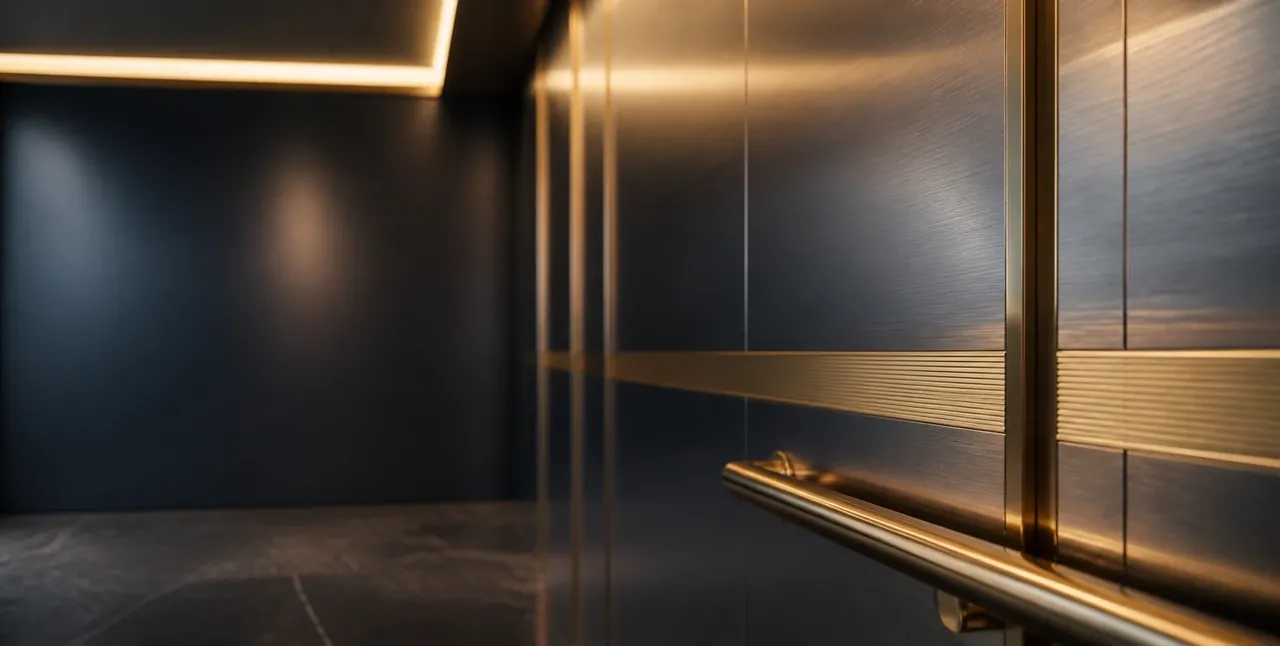
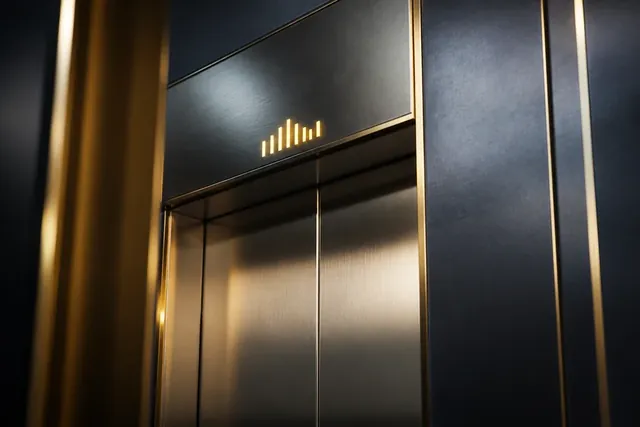
Automatic doors cost more than semi-automatic ones. Cabin finishes make a big difference too: stainless steel, glass, marble, gold trims, concealed lighting. This is the part you can adjust to your budget without touching safety.
Machine, controller and safety components
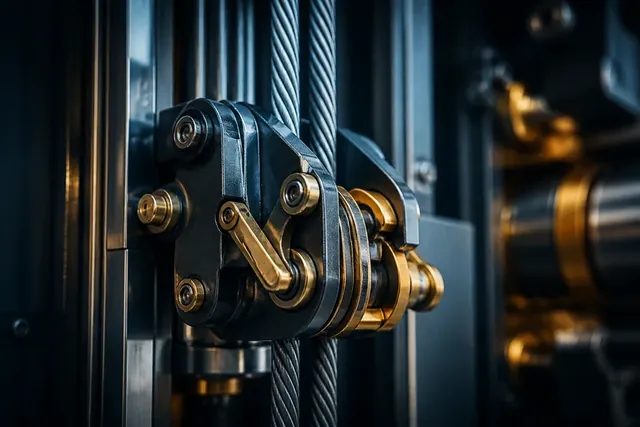
This is the heart of the elevator. Ask about the type and origin of the machine, the controller, and which safety components are included. Comparing two quotations without knowing these details means comparing numbers, not elevators.
What a written quotation should state
- Technical specification: load, number of stops, machine and controller type
- Doors and finishes in detail
- What is included and what is excluded (such as shaft and electrical work)
- Approximate timeline and payment stages
- After handover: the follow-up period, how to reach the team, and maintenance
The short version
The cheapest quote is not always the best value, and the most expensive is not always the best job. A good quotation shows you exactly what you are paying for. If you are planning an installation, have the building type, number of floors and shaft condition ready, and the Honesty team will review them with you on a site visit before giving you a written quote.